[Thunder & Lightnings]
[Buccaneer] [Gannet] [Gnat] [Hunter] [Javelin] [Lightning] [Phantom]
[Scimitar] [Sea Hawk] [Sea Vixen] [Swift] [TSR.2] [Valiant] [Victor] [Vulcan]
[Airfield Viewing Guide] [Links] [Forum]

HAWKER HUNTER
PICTURES - UNDERCARRIAGE

[History] [Survivors & Leading Particulars] [Pictures] [References & Credits]
This page last updated on 29th February 2004

[Survivors 1] [Survivors 2] [Survivors 3] [Survivors 4] [Survivors 5] [Survivors 6] [Survivors 7] [Survivors 8] [Survivors 9] [Survivors 10] [Survivors 11] [Survivors 12] [Survivors 13] [Survivors 14] [Survivors 15] [Survivors 16] [Survivors 17] [Survivors 18] [Survivors 19] [Survivors 20] [Survivors 21]
[Gallery 1] [Gallery 2] [Gallery 3] [Gallery 4] [Cockpit] [Fuselage] [Wings] [Undercarriage]

NOSE GEAR

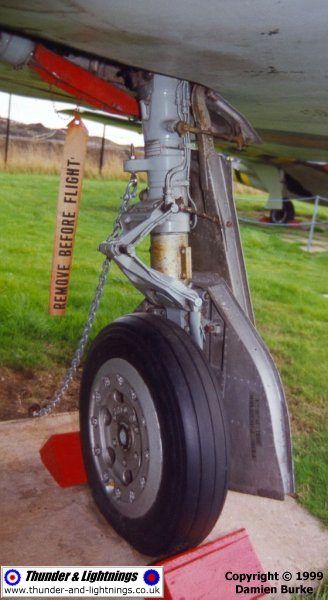
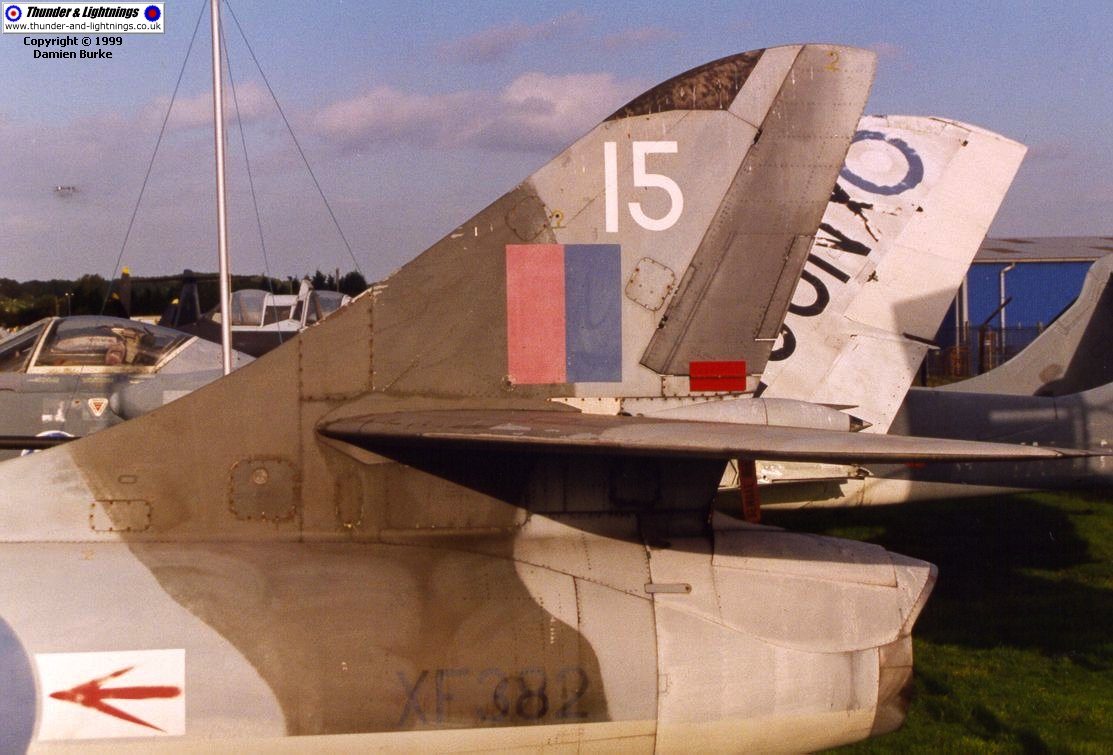
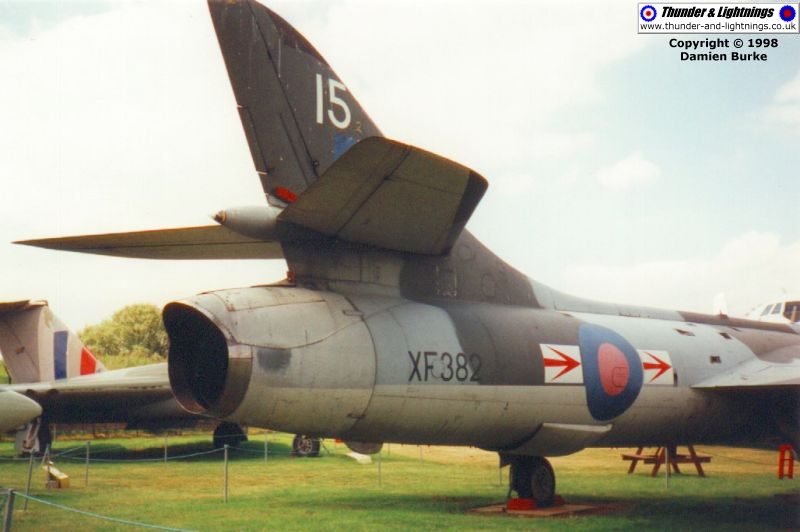
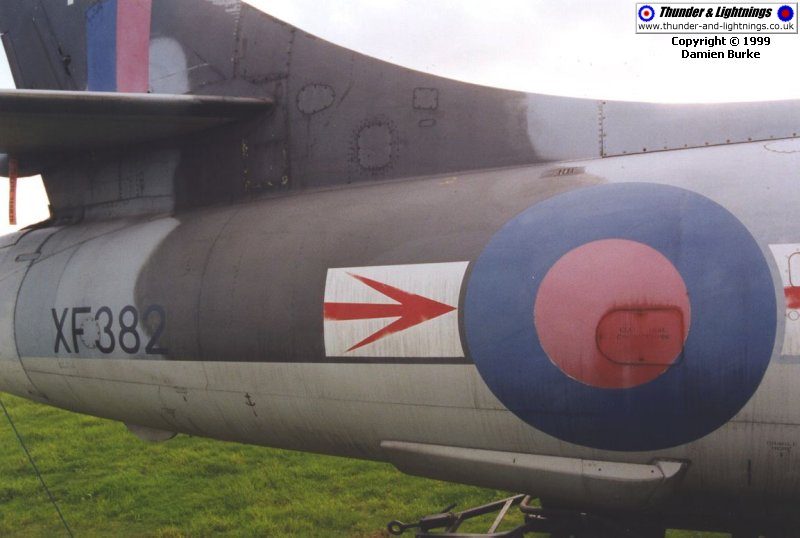
  1. Nose undercarriage and rear door of XF382 at Coventry.
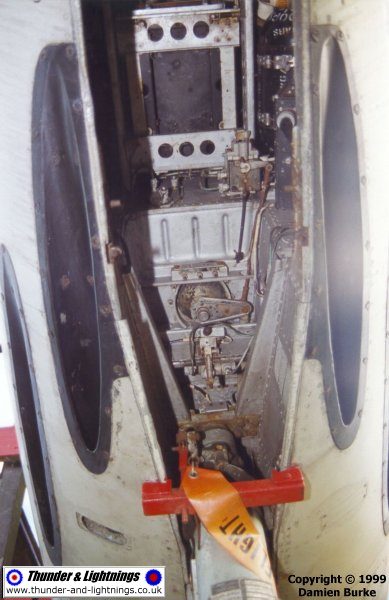
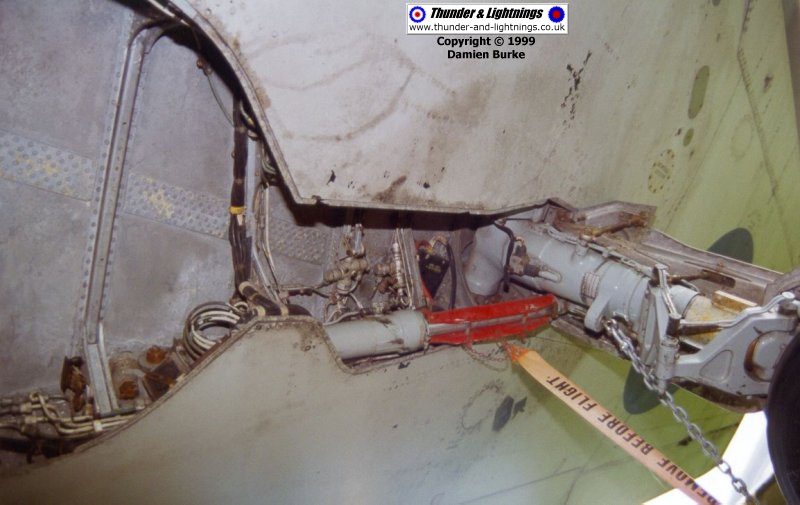
  2. Nose undercarriage bay - aft portion. The red block is a ground lock to stop accidental retraction.
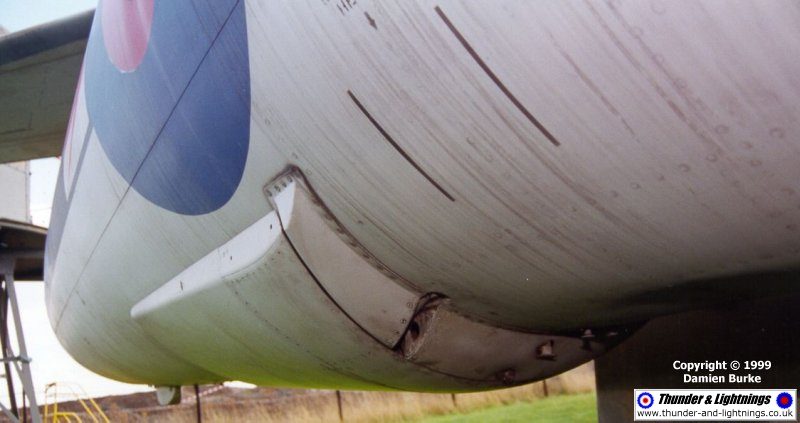
  3. Nose undercarriage bay - forward portion and forward door. Note the curved impression in the door.
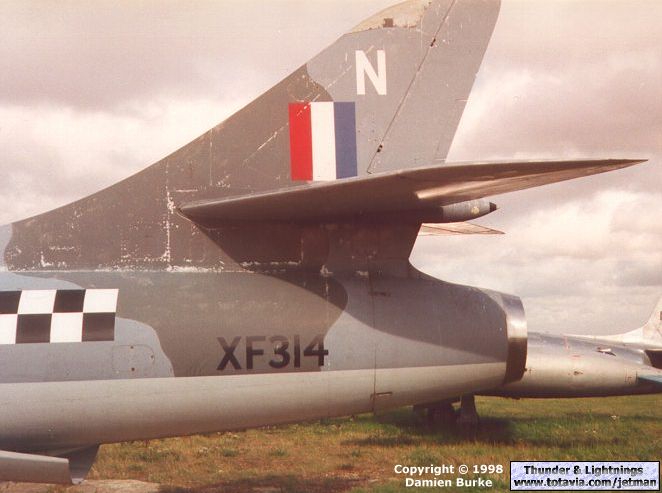
  4. F.51 'XF314' at Tangmere. This is the forward nose gear door, and is much the same on all variants.
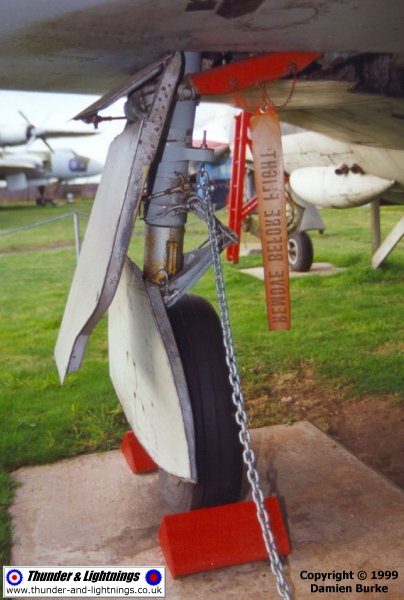
  5. XF382 again. Note the big hinge for the gear door - doors rarely hinge precisely along an edge of a bay!
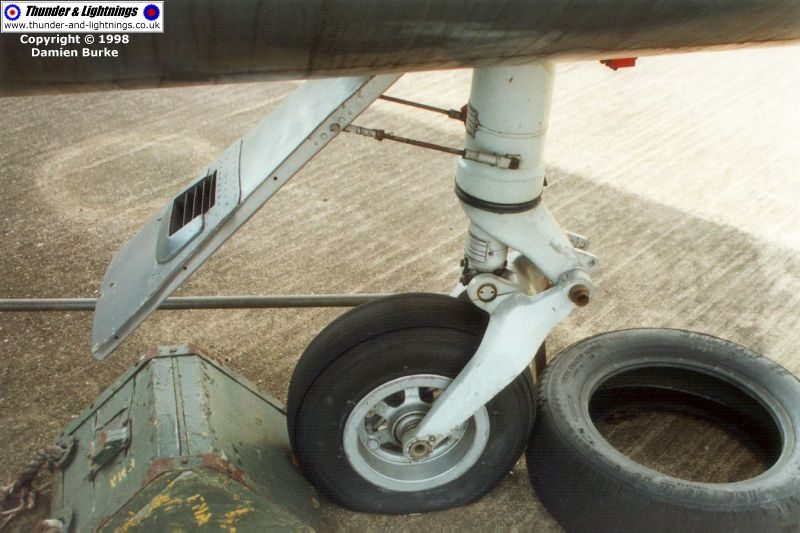
  6. T.8M XL603 at Bruntingthorpe. While the gear leg is pretty standard Hunter, the louvres on the rear nose gear door aren't seen on single seaters, instead the door is smooth in this area.

PORT MAIN GEAR

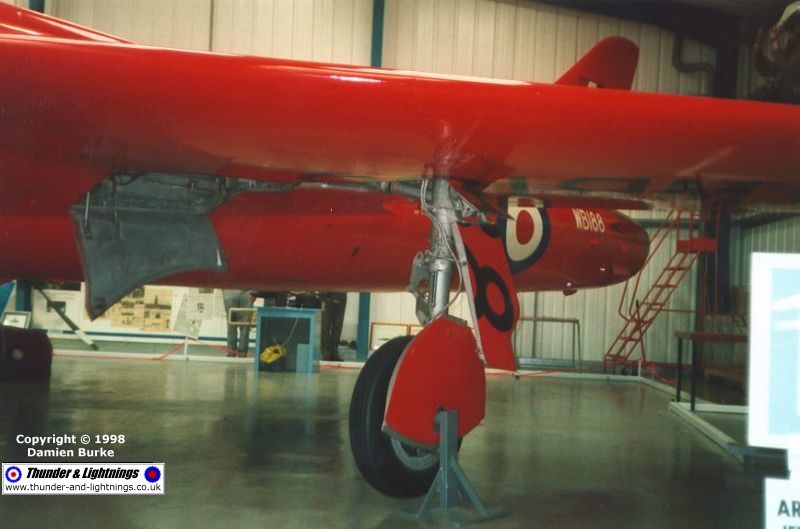
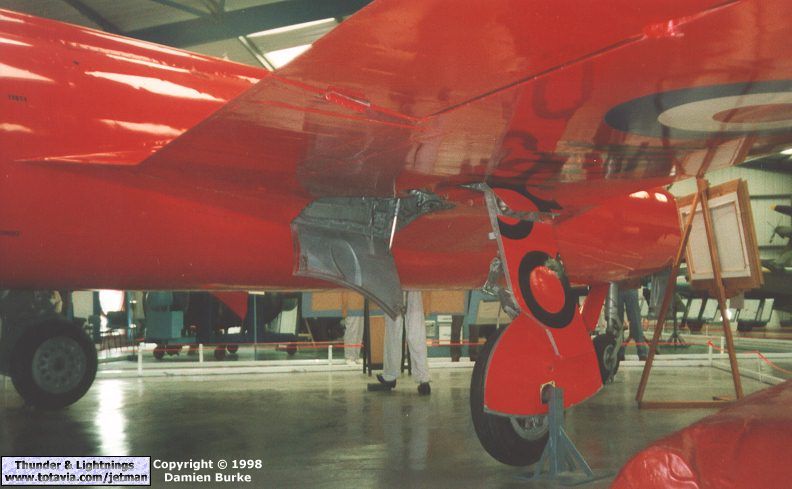
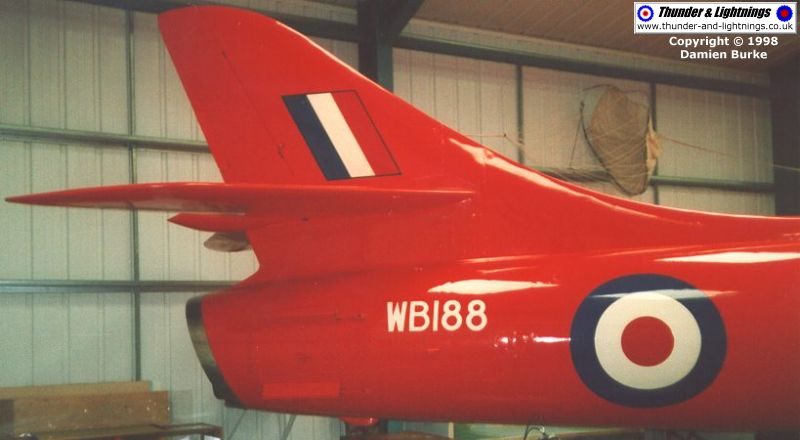
  1. P.1067 WB188 at Tangmere. A rather different gear door arrangement for this prototype, and in unloaded condition so the oleo isn't compressed.
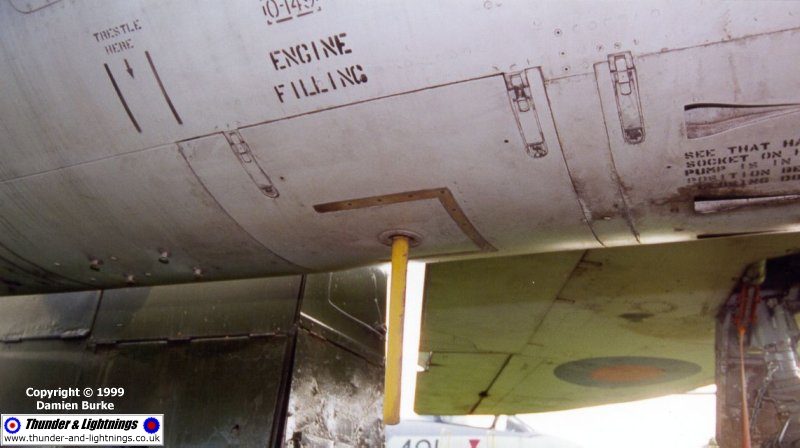
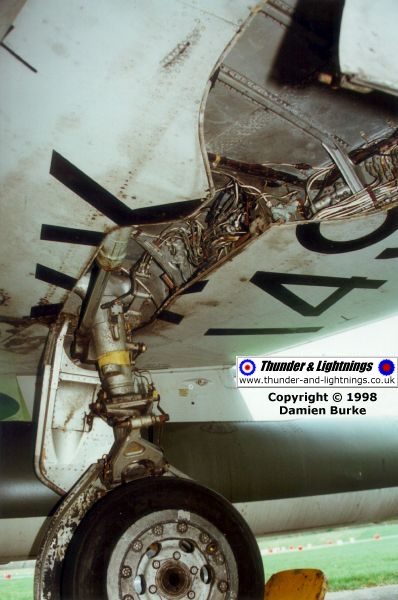
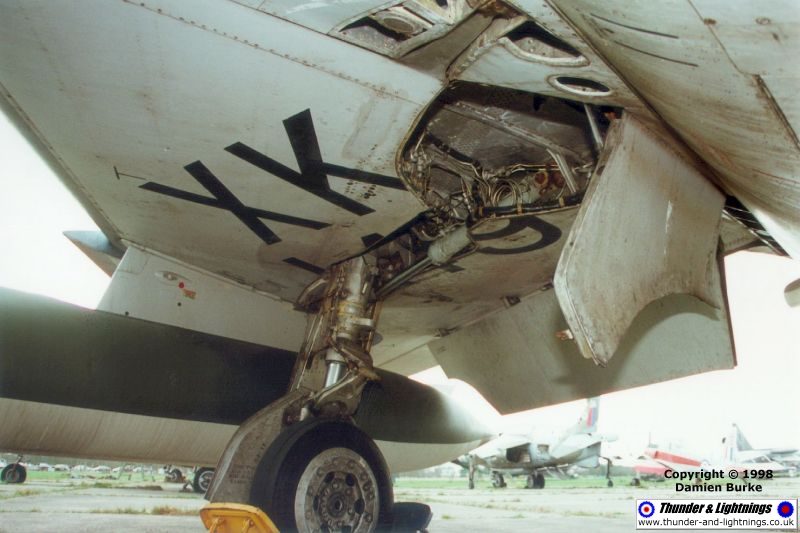
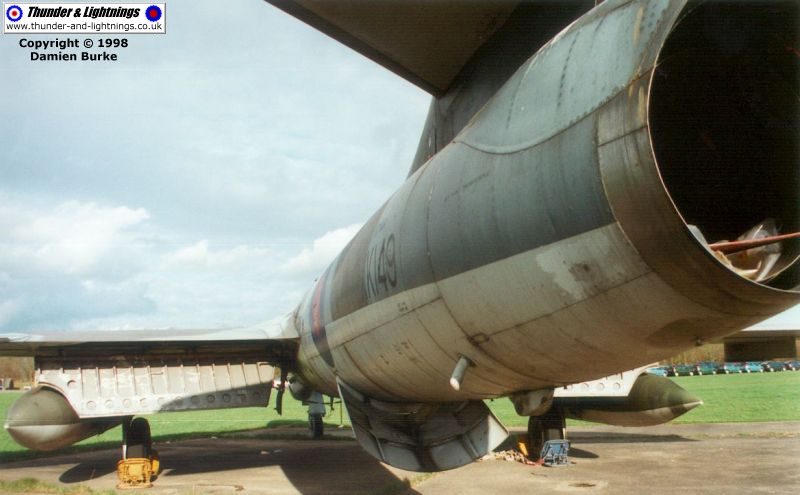
  2. Now F.6 XK149 at Bruntingthorpe, a good shot of the leg and bay area plus the serial presentation on the wing (different on the other wing of course).
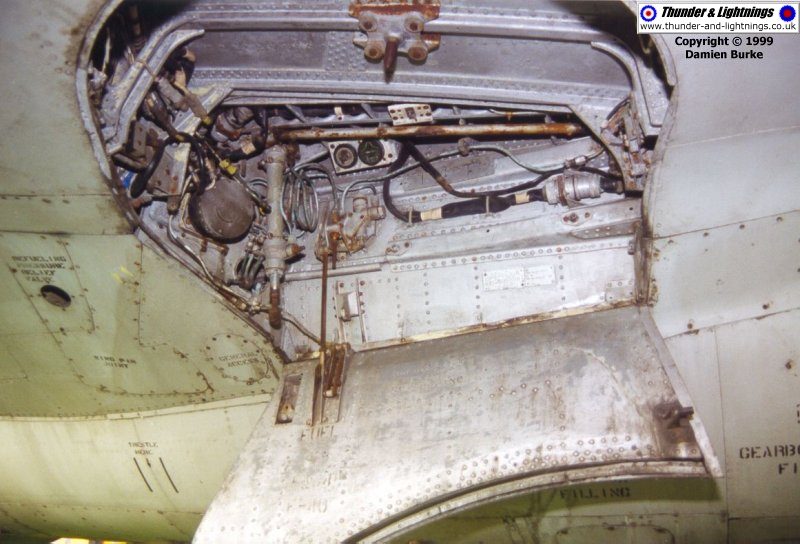
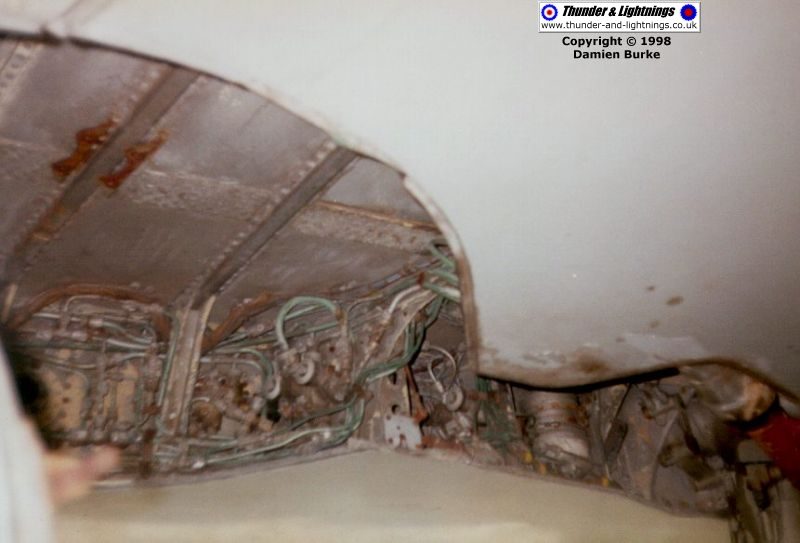
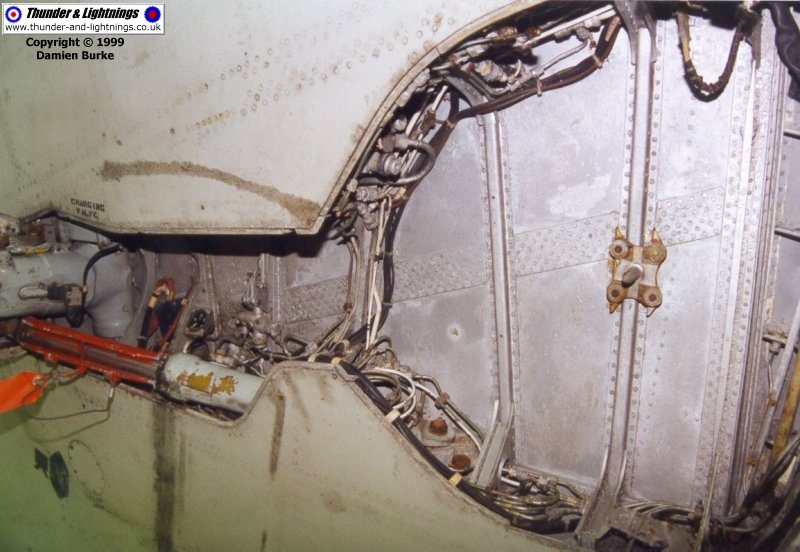
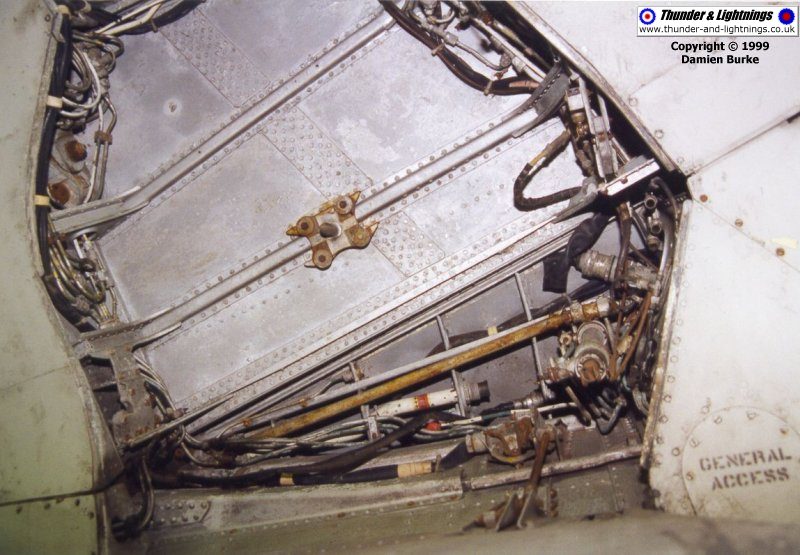
  3. F.6A XF382 at Coventry. Port main undercarriage bay - inboard portion, looking up and inboard.
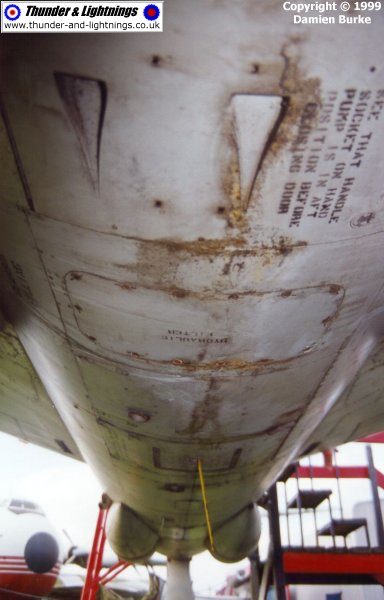
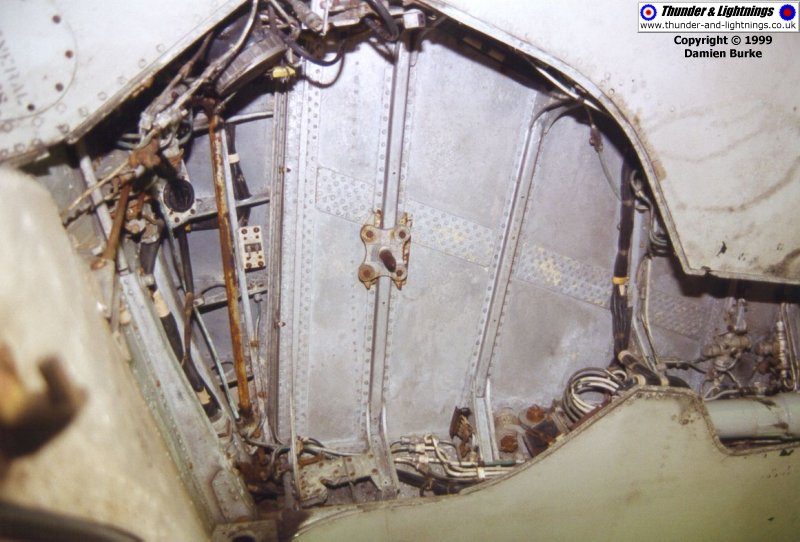
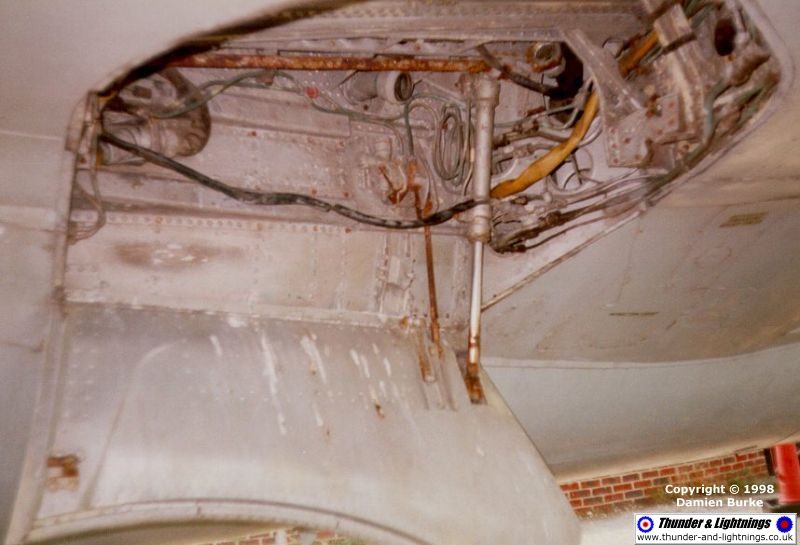
  4. Port main undercarriage bay - looking up and slightly aft.
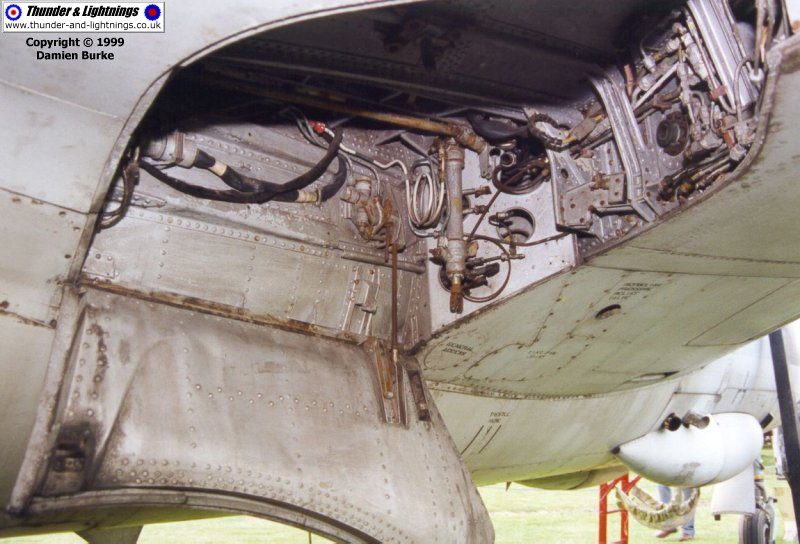
  5. Port main undercarriage bay - outboard portion - looking up and outwards.
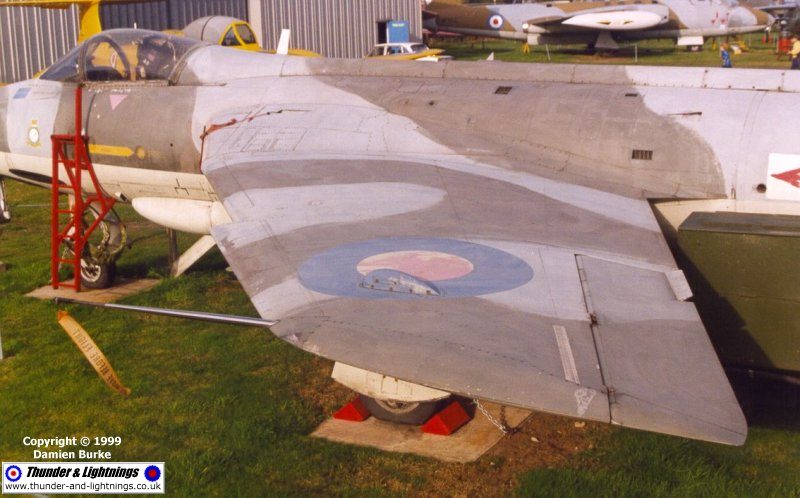
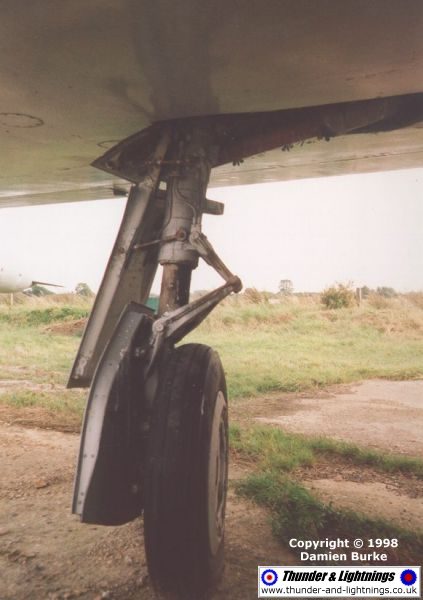
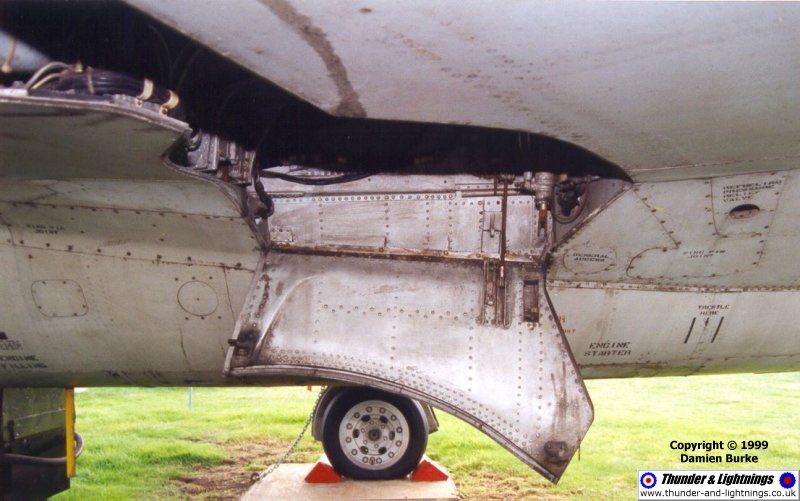
  6. Port main undercarriage leg and outer doors - gives a good idea of the door arrangement.
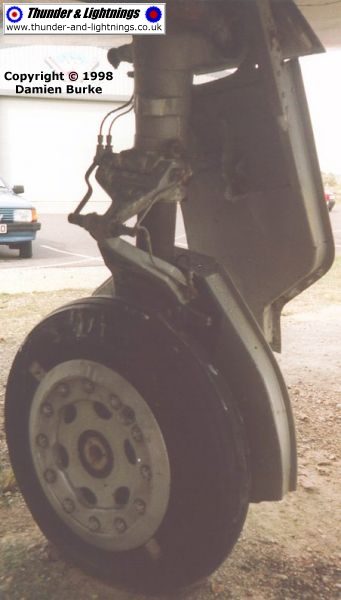
  7. Another view of the port main undercarriage, further showing the gear door arrangement.

STARBOARD MAIN GEAR

  1. WB188 again.
  2. 'XF314' again, starboard main gear viewed from dead ahead.
  3. 'XF314' once more, viewed from inboard and aft a bit...
  4. ...panning up to look at the bay...
  5. ...and turning around to look at the inboard portion of the bay. As the bay was resprayed and has corroded as well, it looks rather unlike an in-service example, which is more like...
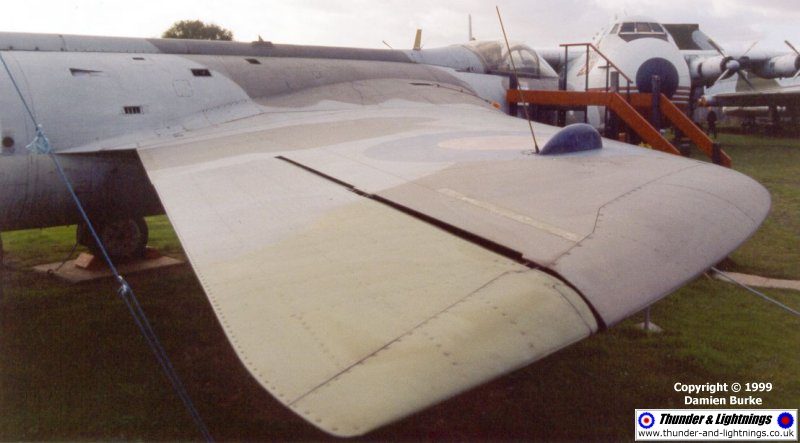
  6. ...this. XK149 again, wider angle shot of the starboard wing underside. A few panels missing.
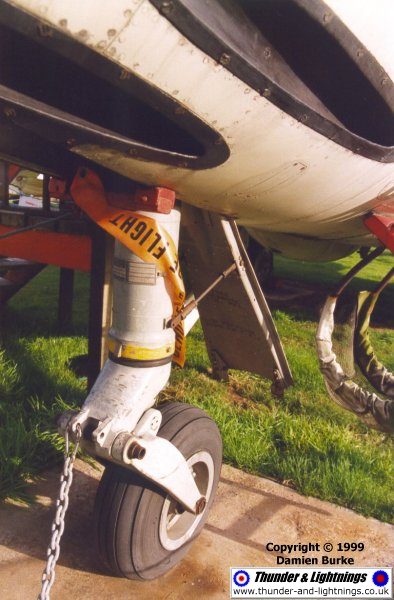
  7. Now XF832; starboard main undercarriage leg and outer doors. General colouration of the undercarriage, bays and doors is dirty, greasy aluminium but the legs are light aircraft grey. The red bit is a ground lock to stop accidental retraction.
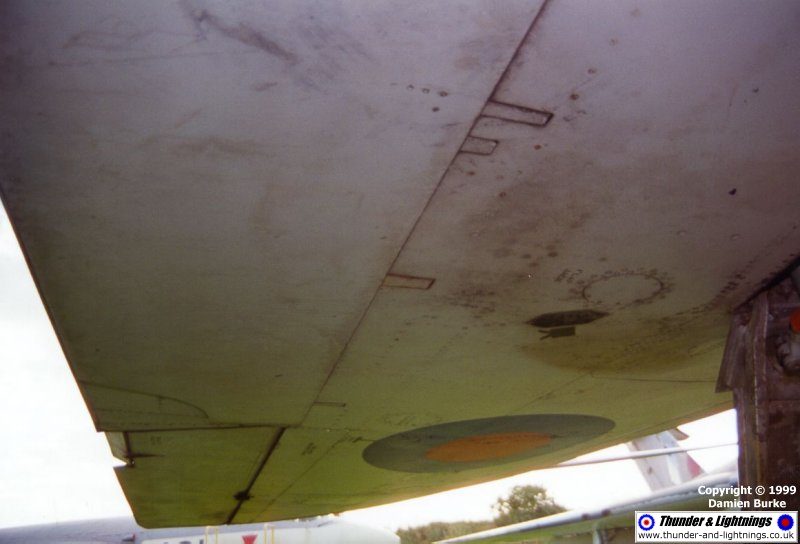
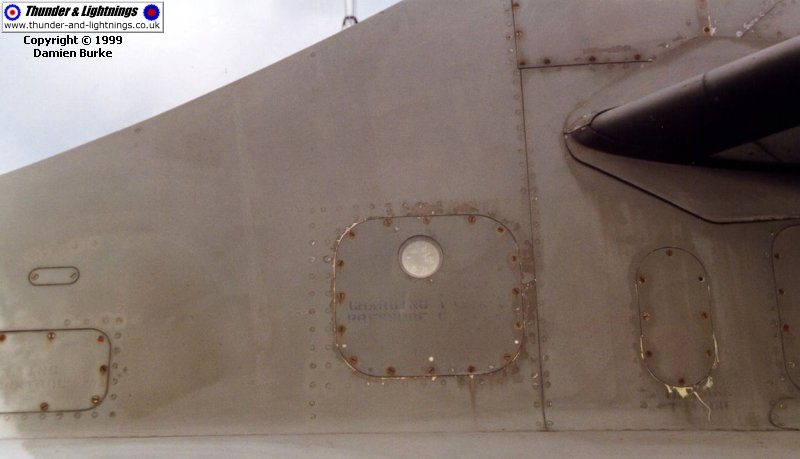
  8. Starboard main undercarriage inner door. RAF Hunters had quite prolific stencilling, a taste of which can be seen in this small area!
  9. Starboard main undercarriage bay, inboard portion, looking straight up.
  10. Starboard main undercarriage bay, outboard portion, looking up and outward.
  11. Starboard main undercarriage bay, inboard portion, looking up and forward. The bay roof is fairly unobstructed, but as you can see the sides are a different story.

ARRESTOR HOOK & AIRBRAKE

  1. GA.11 WV382 at Long Marston. The GA.11 was used by the Fleet Air Arm (or FRADU to be precise) for simulating attacks on RN warships to train the crews. Fitted with a powerful light in the nose to aid guncrews in tracking fast-moving targets, and also arrestor hooks for that naval feel.
  2. WV382 again, looking forward from behind the arrestor hook. A pretty hefty bit of kit unlike the Lightning's arrestor hook, but again used only on real runways, not for carrier landings.
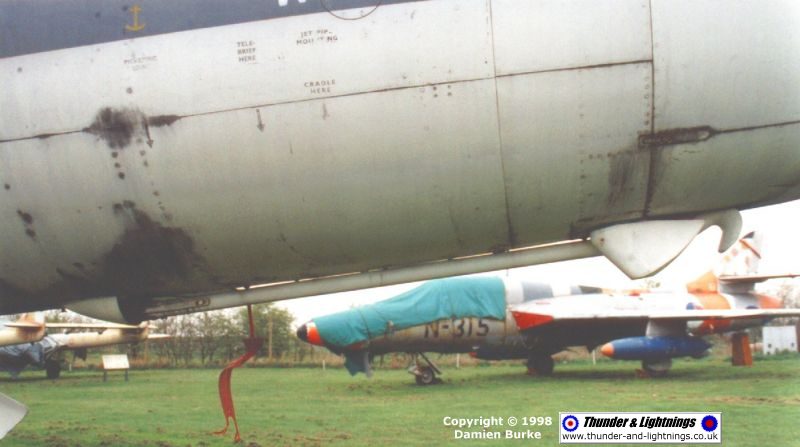
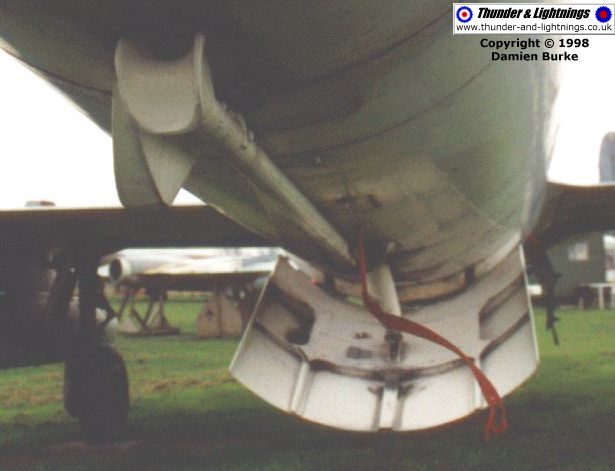
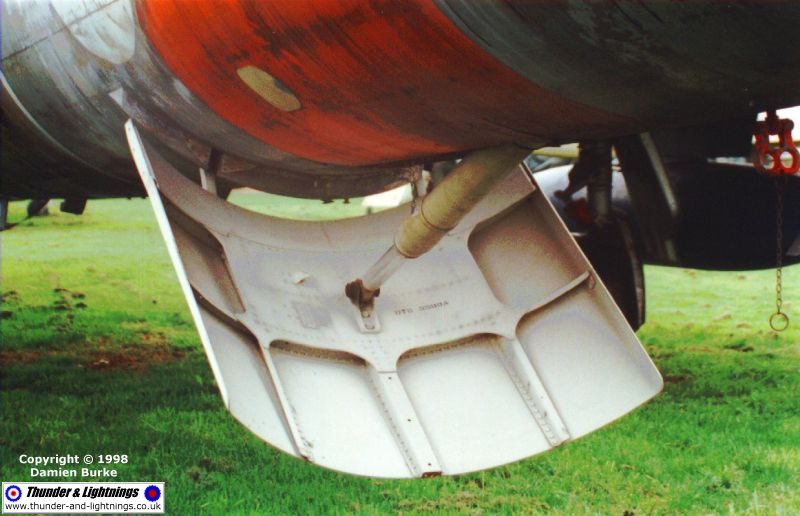
  3. T.7 N-315 also at Long Marston. The Hunter's airbrake looks very much like a last-minute addition, and is a very simple affair. A single sheet of curved metal hinging at the fairing at it's forward end, it's braced with some rectangular channels and another sheet sandwiched on top to keep it in shape.
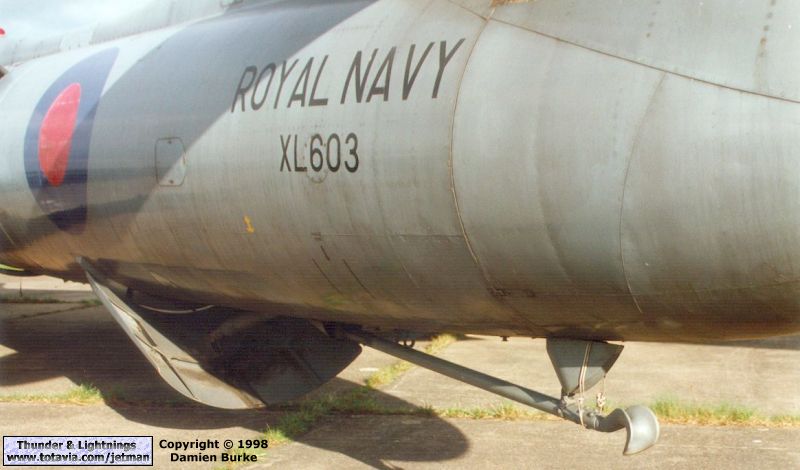
  4. T.8M XL603 at Bruntingthorpe. Another naval variant, used to train Sea Harrier pilots, but firmly land-bound.

[Back to top]


All these pages and 'author' credited images copyright © 1997-2007 Handmade by Machine Ltd.