[Thunder & Lightnings]
[Buccaneer] [Gannet] [Gnat] [Hunter] [Javelin] [Lightning] [Phantom]
[Scimitar] [Sea Hawk] [Sea Vixen] [Swift] [TSR.2] [Valiant] [Victor] [Vulcan]
[Airfield Viewing Guide] [Links] [Forum]

AVRO VULCAN
PICTURES - COCKPIT

[History] [Vulcan to the Sky] [Survivors & Leading Particulars] [Pictures] [References & Credits]
This page last updated on 20th October 2007

[Survivors 1] [Survivors 2] [Survivors 3]
[Gallery 1] [Gallery 2] [Gallery 3] [Gallery 4] [Cockpit] [Fuselage] [Wings] [Undercarriage] [Weapons]

B.1

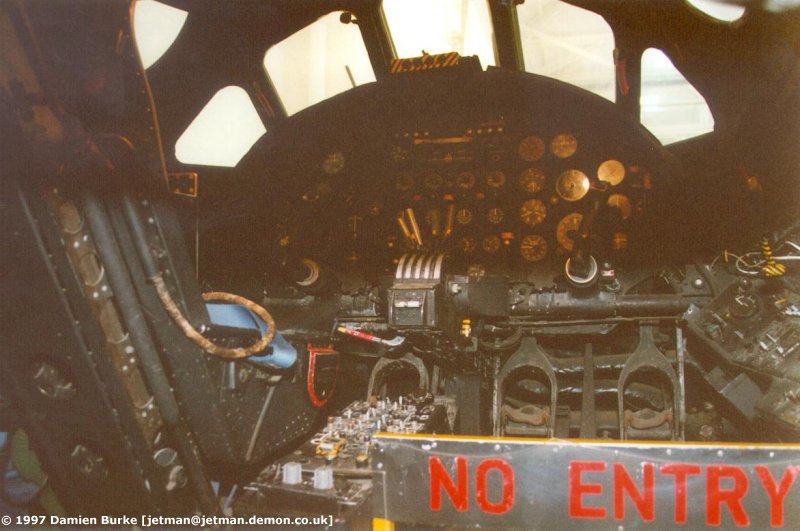
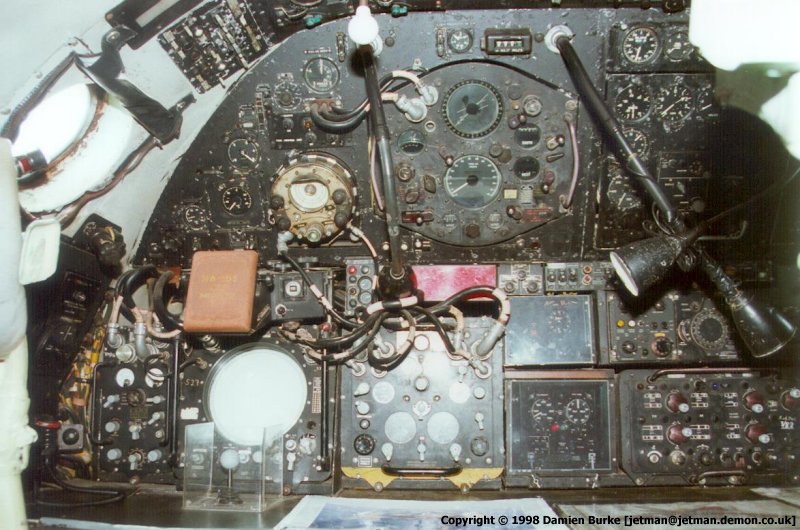
  1. The pilots area of the cockpit of B.1 XA903 in Colin Mears' back garden. If you're wondering why it looks so airy, the canopy was off at the time this picture was taken.
  2. Same area of B.1 XA893 at the Aerospace Museum, RAF Cosford; the rightmost seat has been removed to give visitors a clearer view of the instrument panel.
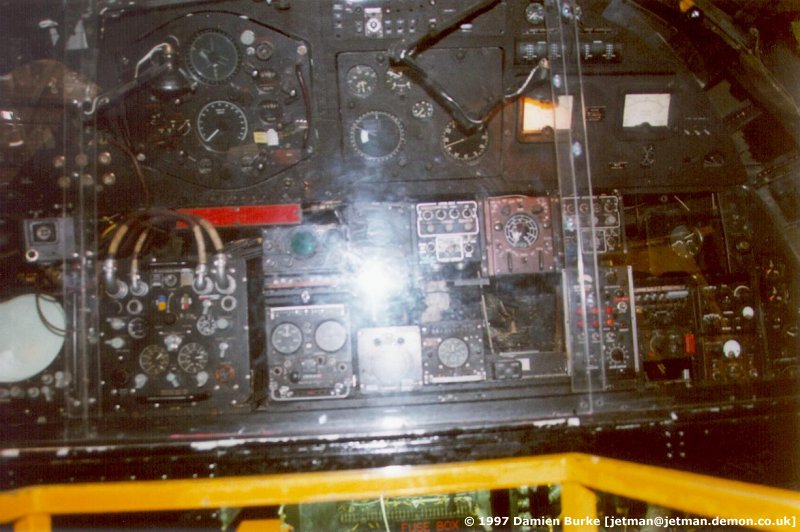
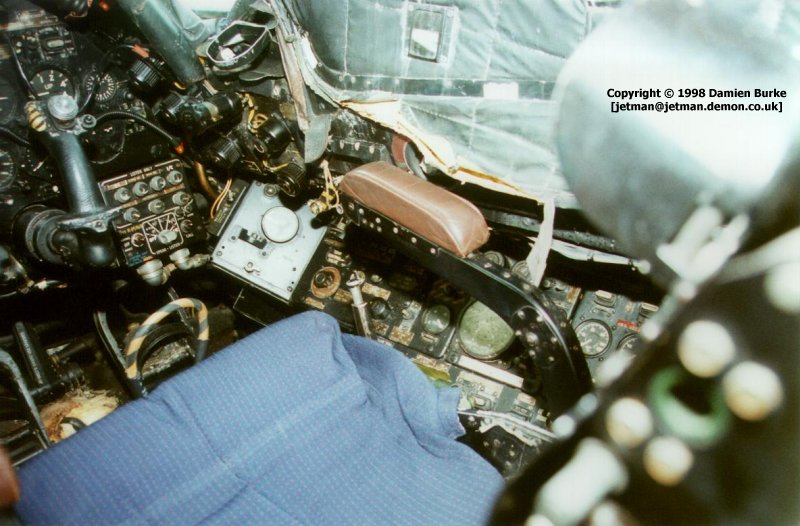
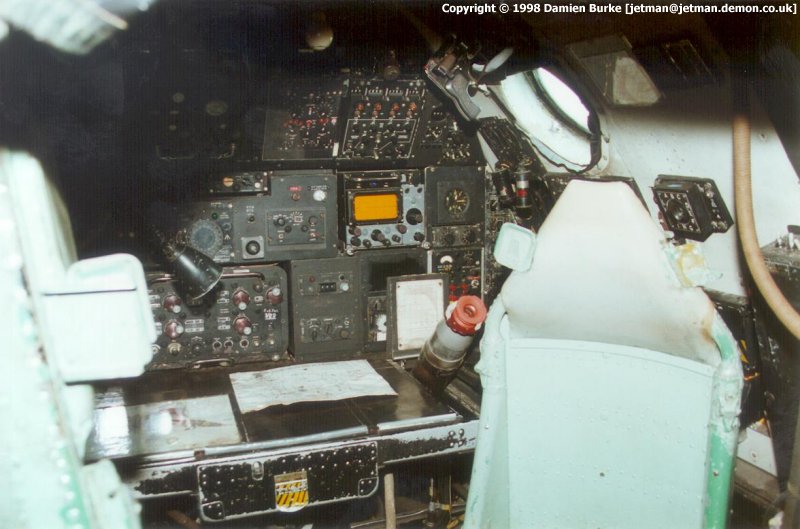
  3. Rear crew's main panel. The electrical systems on the B.1 were quite different to those on the B.2 and this is reflected in the differences between these areas of the rear cockpit on B.1s and B.2s. The perspex panel stops wandering hands no doubt.

B.2 - REAR CREW

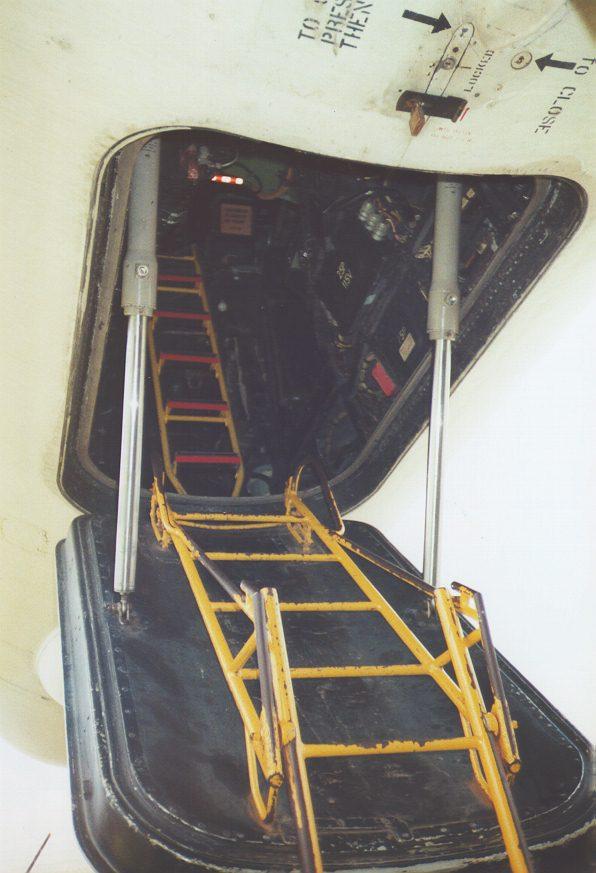
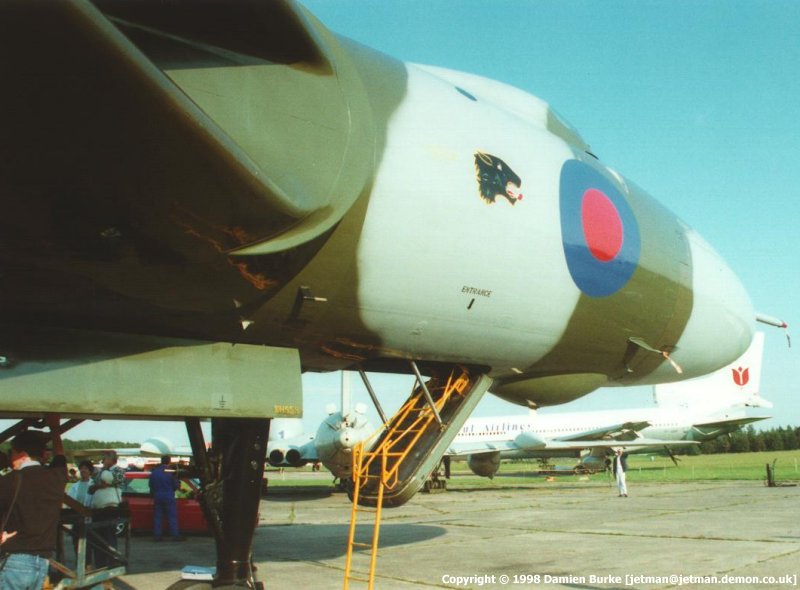
  1. The entry hatch and ladder. This is XL360, the Midland Air Museum's example. The museum staff allow visitors to sit in the rear crew seats, and give a great talk about flying the Vulcan and a bit of its history. As you can see, they don't mind photography either, and XL360 often appears in print - e.g. the Wings of Fame issue on the Vulcan includes pictures of XL360's cockpit (uncredited - bit of a poor show on their part I think).
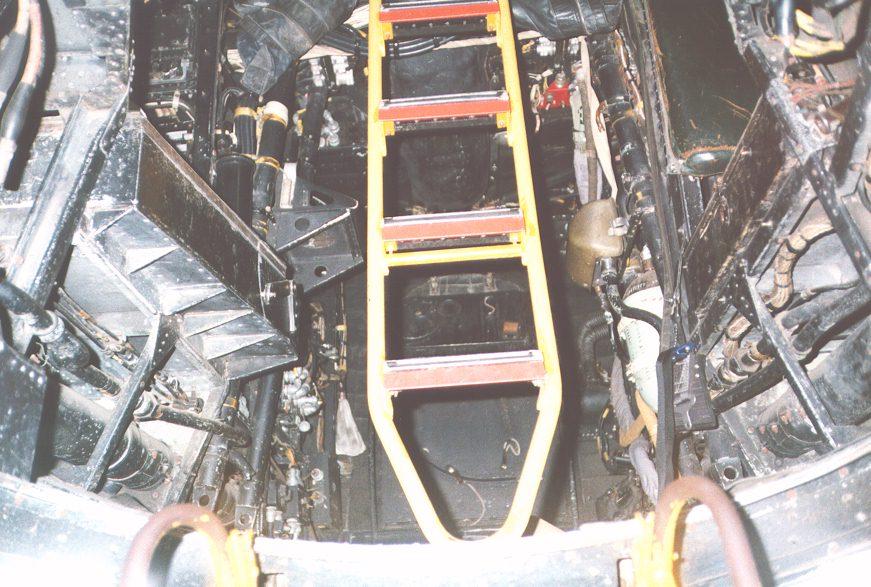
  2. View from the top of the part of the ladder that is attached to the entry hatch, still looking forward.
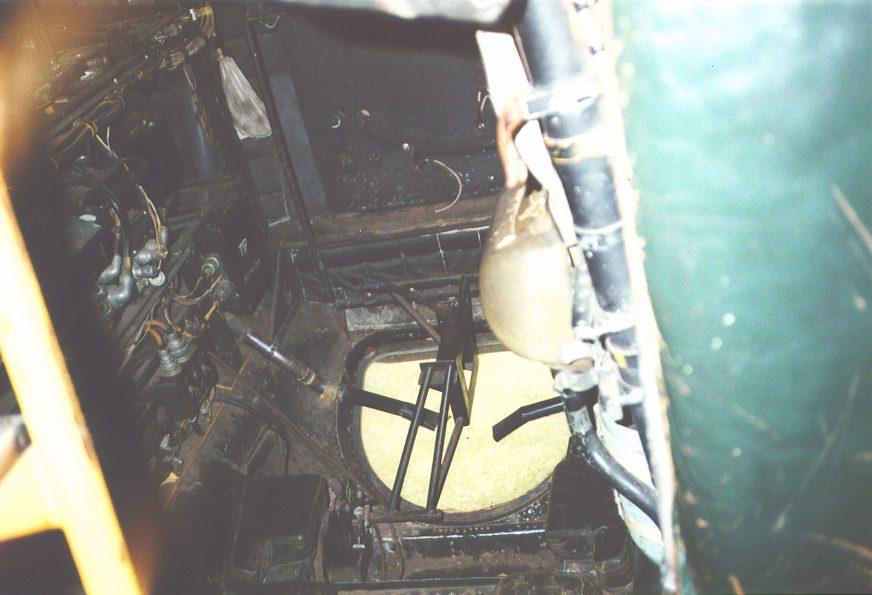
  3. A bit higher up the ladder and looking past it into the bomb-aimer's blister. This area was never equipped on the B.2 as visual bomb-aiming was not used; however it was used for photo-reconaissance with cameras mounted above the window - the contraption you see extending over the window here is the camera mount.
  4. Now we've stepped off the ladder, turned around and stepped onto the rear crew's deck, looking towards their console, or 'a coalmine with switches' as it was known. For the size of aircraft, the area given over to the crew is surprisingly small. In fact, tiny! Here we're looking to the right (actually the port side of the aircraft as we're facing backwards). The periscope is quite prominent; this was used to check the underside of the aircraft e.g. to see if the gear was retracted/extended as expected.
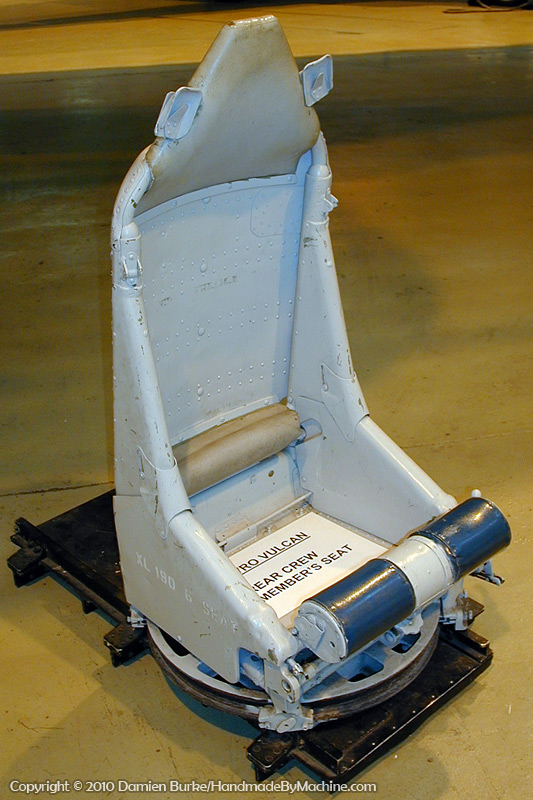
  5. Now sitting on the edge of the centre rear seat and viewing the starboard side - you can see the porthole at top left of the picture. The small white blob at the top of the picture is a handhold just like the ones on the London Underground. The grey circle on the left is the H2S radar scope; the perspex box around the joystick is for protection and was not standard fit!

B.2 - PILOTS

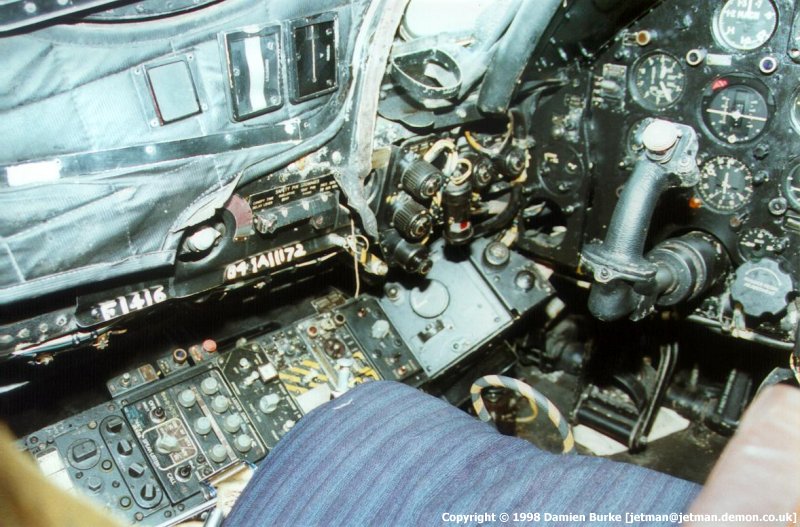
  1. Now we've been magically transported to Cosford's B.2 instead of Coventry's one, turned around to face forward, climbed a further ladder and squeezed in between the pilots' seats. This is the left side of the cockpit...
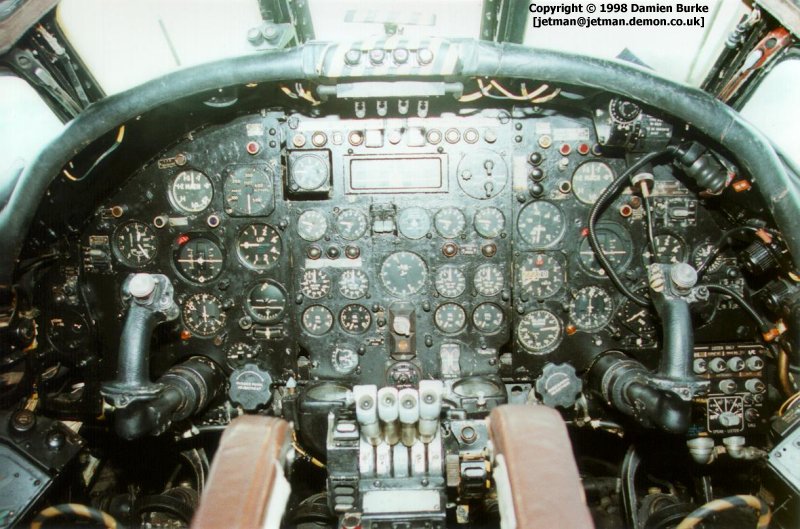
  2. ...instrument panel...
  3. ...and right side of the cockpit. Pictures of Cosford's Vulcan's cockpit are a rarity as they keep the aircraft closed up. When I took these they had an Open Cockpit Day for Aviation Heritage Week - two aircraft had open cockpits, the other being the Belfast.

[Back to top]


All these pages and 'author' credited images copyright © 1997-2008 Handmade by Machine Ltd.